
Germany has always been a heavyweight in European technology; disciplined, engineering-led and deeply focused on quality. But as we move deeper into 2026, the talent landscape is evolving faster than many organisations expected. AI is moving from concept to production, regulations are tightening, and the demand for specialist skills is outpacing supply.
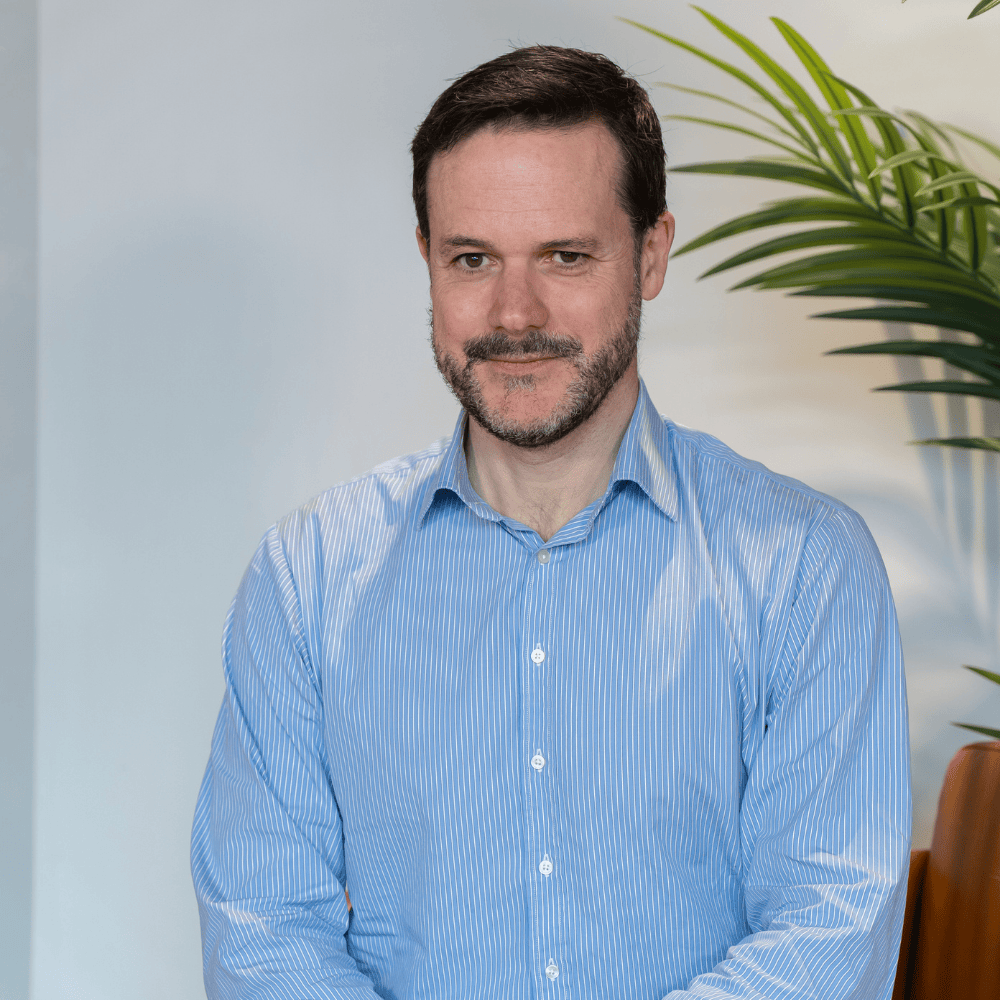
We spoke with Derren Bevington, Managing Director, about what’s really happening in the German tech market and what hiring managers need to be prepared for in the year ahead.
The roles shaping 2026 are sitting at the intersection of AI, regulation and industry
Germany’s industrial strength means its AI revolution isn’t abstract; it’s practical, operational, and tightly governed. Derren sees that reflected directly in the roles gaining momentum.
“In Germany, the most critical roles are emerging at the intersection of AI, regulation, and industrial scale.”
Rather than generic AI roles, demand is shifting toward specialists who can operate within highly regulated, high‑stakes environments.
According to Derren, the standout profiles include:
- AI Engineers with deep data governance and compliance fluency
- Applied AI Architects who can deliver production-ready solutions for manufacturing, automotive and energy
- Cybersecurity specialists across OT, cloud and identity
- Data Engineers supporting AI readiness, not just analytics
These are not easy profiles to find, which is why many German organisations are strengthening their partnerships with external recruitment agencies to access niche talent pools and passive candidates with the right mix of AI and regulatory understanding.
Permanent hiring still leads, but precision is replacing volume
Germany has historically leaned toward permanent hiring, and that hasn’t changed, but the reasoning behind it is evolving.
Permanent roles remain the default for protecting IP and retaining core capability.
But Derren sees contract and project-based staffing gaining traction in specific areas:
- AI transformation programmes
- Cloud migration and modernisation
- Cybersecurity uplift
- Time-sensitive remediation work
What’s important is not the quantity of hiring — it’s the accuracy.
“The key shift is precision hiring, not volume.”
Businesses are being far more deliberate about who they bring in, when, and for what strategic outcome.
Recruitment partners can support this shift by narrowing the search quickly, removing unqualified profiles early, and ensuring the shortlist aligns with the exact technical and regulatory needs of the role.
The AI skills gap will widen before it narrows
Germany isn’t alone in its AI talent shortage, but it is one of the countries most affected due to its industrial reliance on applied, high‑compliance AI.
Derren is clear that the skills gap will widen before it narrows, and the reasons are straightforward:
- Demand for AI talent is increasing faster than universities can produce graduates
- Many professionals have theoretical AI knowledge but lack hands-on deployment experience
- Senior AI leadership and system-level architecture skills are extremely scarce
- Germany’s need is not for AI enthusiasts — it’s for production-grade expertise
This widening gap means companies relying solely on inbound applicants or internal sourcing will struggle.
Demand in 2026 will shift toward specialists, not generalists
The top roles today are familiar: AI/ML engineers, data engineers, cloud engineers and cybersecurity specialists. But in 2026, Derren expects the requirements around these roles to sharpen further.
“Demand will shift toward AI system owners and engineers who can bridge data, AI and compliance.”
Germany is moving away from broad, generalist job scopes and toward deep, systems-level expertise, especially in industries where failure has real-world consequences.
For hiring managers, this means clearer job definitions, targeted sourcing, and tighter screening will be essential. Recruitment agencies can help refine role profiles, remove ambiguity, and attract candidates who understand both the technical and regulatory context.
Retaining top talent will be a bigger challenge than attracting them
Germany’s hiring challenge isn’t just finding talent, it’s convincing them to stay.
Derren breaks it down clearly:
“Salary inflation without productivity gains, competition from international employers offering remote roles, slow hiring processes losing top candidates, and limited internal AI maturity discouraging senior talent.”
And the shift in candidate priorities is unmistakable: “Top talent is choosing impact, autonomy, and technical credibility over brand alone.”
Senior engineers, AI specialists and cybersecurity experts want to work in environments where they can make a real difference. If hiring processes are slow, inflexible or unclear about the technical vision, candidates move on quickly.
Recruitment partners help prevent this by managing expectations on both sides, keeping communication flowing, and ensuring that the hiring experience reflects the credibility of the organisation.
Final Thoughts: Germany’s tech market will reward companies who hire smarter, not louder
Germany’s tech hiring landscape in 2026 is defined by rising demand, tighter regulations, deeper specialisation and a rapidly expanding AI skills gap. For hiring managers, this means the traditional approach of posting a role and waiting simply won’t cut it.
Organisations that succeed this year will be the ones who:
- hire precisely, not broadly
- build access to niche talent pools
- streamline their processes
- and partner with specialists who understand Germany’s unique technical and regulatory environment
If you're looking to hire AI, cloud, data or cybersecurity talent in Germany this year, we’d be happy to help you navigate the market and secure the specialists you need.